
Basement Waterproofing in Kerala
We seal the cracks and joints where ground water enters, then protect the walls and floor.
What Is Basement Waterproofing?
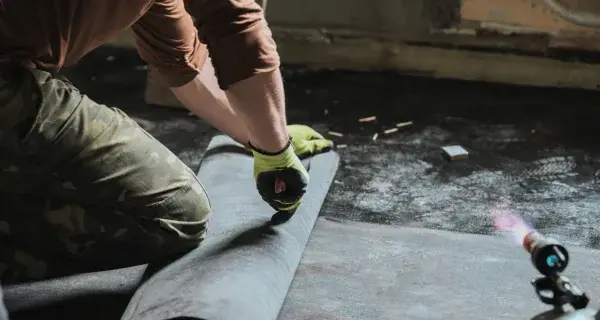
Basement waterproofing keeps water in the soil from entering through the walls, floor and joints. In a finished building the cracks are injected and the inside is coated. In a new building the outside is covered before the soil is filled back. Both protect the steel, the car park and the rooms below ground.
Signs You Need It
- Wet corners
- Water where the wall meets the floor
- White powder on the wall
- Damp that gets worse after rain
Why It Happens
Water in the soil pushes against the walls and floor. It comes in through cracks, joints and gaps around pipes.
Our Process
Find the entry points
We check the wall joints, the floor edge and every pipe opening.
Stop running water
We pump a sealing liquid into the cracks.
Waterproof
We coat or line the walls and floor.
Check after rain
We return in wet weather to confirm the basement stays dry.
Which Method Suits You?
| Method | Best for | Why it works |
|---|---|---|
| PU injection | Cracks and joints with running water | Stops the flow from inside |
| Cement coating | Damp walls and floors | Protects the full inner face |
| Membrane | New basements | Keeps water off the structure |
| Pressure grouting | Hollow or loose concrete | Makes weak concrete solid |
What Affects the Cost?
- How much water is coming in
- The length of the cracks and joints
- The area of wall and floor
- Whether the outside can be reached
Frequently Asked Questions
Yes. In a finished building we usually work from inside.
No. Paint only hides the damp. The water has to be stopped at the crack or joint.
The water level in the soil can stay high long after the rain. It keeps pressing on the walls.
Yes. The pit is pumped dry, the joints are injected and the inside is coated.
Related Services

Roof and terrace
Leak protection for flat roofs and terraces.
Bathroom
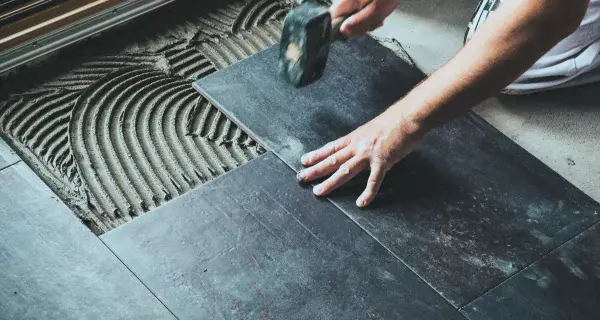
Dry floors, walls and ceilings below.
Swimming pool
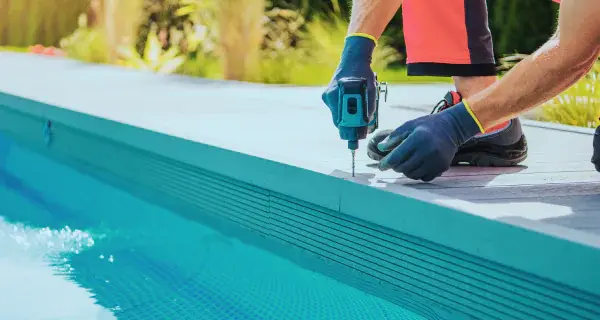
Pools and tanks that hold water.