
Anchoring in Kerala
Expansion and resin anchors for steel, rails, machines and rebar, set to the depth the load needs.
What Is Anchoring?
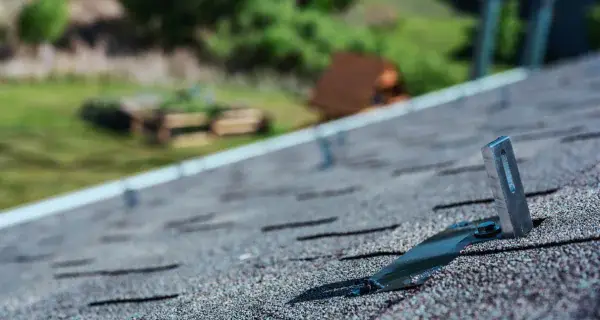
Anchoring fixes steel rods, bolts and brackets into concrete so that they carry load. A hole is drilled to the right depth, cleaned and filled with an expansion anchor or resin. It joins new steel to old concrete and holds rails, machines and frames in place.
Signs You Need It
- New steel has to be joined to old concrete
- A bracket, rail or machine has to be fixed
- An engineer has asked for rebar fixing
Why It Happens
A bolt only holds if the hole, the depth and the material are right. Loose anchors also let water in.
Our Process
Mark and drill
We follow the drawing for place, size and depth.
Clean the hole
We remove all dust so the anchor can grip.
Fix
We set an expansion anchor or a resin anchor.
Seal
We seal around the anchor where it meets a wet area.
Which Method Suits You?
| Method | Best for | Why it works |
|---|---|---|
| Expansion anchor | Quick fixing in solid concrete | Ready to load at once |
| Resin anchor | Edges, rebar and heavier loads | High strength near edges |
| Cast-in anchor | New concrete | Built into the structure |
What Affects the Cost?
- The number and size of anchors
- The depth of the holes
- Access and height
- Sealing around wet areas
Frequently Asked Questions
Expansion anchors are quick to fix. Resin anchors suit edges and heavier loads.
Yes. Each opening is sealed again as part of the work.
It joins new steel bars to old concrete with resin, so a new part can be added to a building.
Dust stops the resin from gripping. A clean hole holds far better.
Related Services
Pressure grouting
Hidden gaps filled inside concrete.
APP membrane
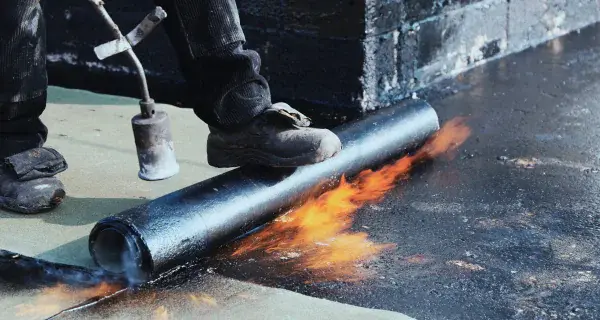
Heat-bonded sheets for flat roofs.
PU injection
Running water stopped inside the crack.